Dying: A Pathway to Growth”


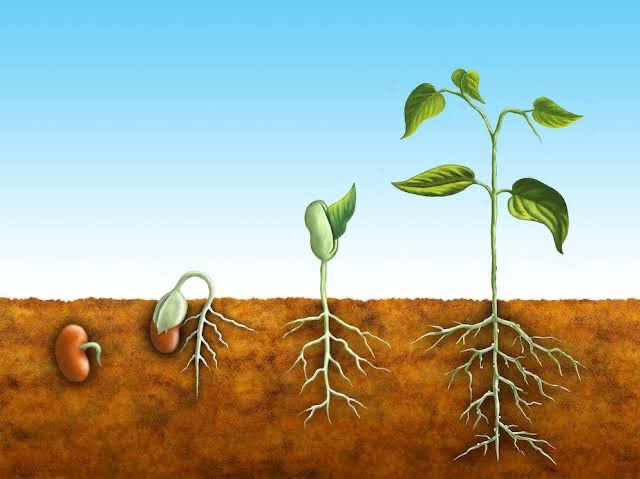
As a devoted Christian, I’ve often contemplated the profound verse that says , “To die is to gain.” This message took on new significance after I entered into marriage and received guidance from mentors who emphasized the necessity of the sacrifice of dying in order to serve one another. Over time, the Lord has unveiled the true essence of this verse, revealing that the journey of a seed closely mirrors the process of growth—a transformation that may seem lifeless at first, only to lead to profound development and the birth of a bountiful tree, laden with seeds of potential.
Consider the remarkable symbolism found in the simple act of planting a seed, a principle mirrored throughout nature. Take, for instance, the mango seed, carefully nestled within the earth, as if laid to rest. It is here, beneath the surface, that the catalyst for growth is ignited. What initially appears as an inert and entombed seed eventually unfurls roots, setting the stage for a stable foundation. Gradually, a stem emerges, reaching skyward, its stature commanding attention and respect, much like the trunk of a mature tree that will one day cradle numerous branches, bearing the weight of countless fruits. These fruits, in turn, contain the very seeds required to perpetuate the cycle, setting the stage for future growth and renewal.
This intricate process is nothing short of divine wisdom in action. The allegory of trees as steadfast landmarks serves as a humbling reminder—a testament to the fact that our human tendencies, often rooted in pride, may hinder our ability to embrace transformation through self-renunciation. Yet, it is precisely through this metaphorical “death” that we unearth the capacity to “gain” an elevated existence. Just as a seed relinquishes its outer shell to embark on a transformative journey, we too must shed our selfish inclinations to realize our full potential.
As we navigate the intricate tapestry of life, may we seek the grace necessary for growth, willingly embracing the metaphorical death that paves the way for newfound vitality. By relinquishing our egos and yielding to the process of transformation, we emerge as resolute and thriving entities, akin to trees that stand as testaments to the cyclical nature of existence. Just as a seed’s transformation yields fruits and seeds that perpetuate future growth, our personal evolutions yield profound wisdom and experiences that inspire and empower those who follow in our footsteps.
In essence, the concept of dying to self—a principle echoed in both scripture and nature—offers a powerful lesson in humility and rebirth. By surrendering our old ways and nurturing a willingness to change, we not only honor the growth process but also cultivate a legacy of resilience and transformation. This paradigm shift, though challenging, is essential for our spiritual and personal development, enabling us to bear the fruits of our labor and share the seeds of our newfound wisdom with others.
In conclusion, the journey from death to life, from seed to tree, is a remarkable testament to the cyclical nature of growth. Just as a seed surrenders its outer shell to nurture the creation of new life, so too must we release our preconceived notions and selfish tendencies to embrace the transformative process that leads to authentic growth. This metaphorical death grants us the opportunity to gain an existence imbued with purpose, wisdom, and resilience. As we navigate life’s intricate path, let us continuously seek the grace necessary to shed our old selves, allowing the emergence of a thriving, fruitful, and enduring spirit—a testament to the beauty and wisdom found in embracing the transformative power of dying to self.

Respect

You can’t help it but fall in love with Dr. Tsu’s class as he popularly calls himself. I think I have officially become his fan someone better tap him and tell him how I have become a loyal sharer of his random questions. He shared a classic about respect! Check it out.

Random questions are what is respect? is there anyone that does not want it? does everyone get respect? What, why and how to respect?  Come learn with me found these interesting let me know what you think

Respect is a fundamental concept that involves recognizing and valuing the worth, dignity, and rights of others. It is a positive regard and admiration for someone’s qualities, achievements, or position. Respect can be demonstrated through actions, words, and attitudes that show consideration, empathy, and appreciation for others.


• While it is generally true that most individuals desire and appreciate respect, there may be exceptions. Some people may have personal beliefs, ideologies, or cultural backgrounds that prioritize different values or do not place a strong emphasis on the concept of respect. However, the desire for respect and being treated with dignity is a common human need in most societies.


• Respect is not automatically granted to everyone, as it is earned and reciprocated through interactions. It is based on recognizing the inherent worth and humanity of others, regardless of factors such as age, gender, race, religion, or socioeconomic status. However, it’s important to note that respect should not be contingent on agreement or approval of someone’s actions or opinions.


• To show respect, you can consider the following principles:


• Listening: Give your full attention when others are speaking, and genuinely consider their thoughts and perspectives. Avoid interrupting or dismissing their ideas.


• Empathy: Try to understand the feelings and experiences of others. Put yourself in their shoes and show compassion.


• Open-mindedness: Be receptive to different viewpoints, even if they differ from your own. Engage in constructive dialogue and be willing to learn from others.


• Courtesy: Display basic manners and politeness in your interactions. Use “please” and “thank you” when appropriate, and treat others with kindness and consideration.


• Non-judgment: Refrain from making hasty assumptions or prejudgments about others. Recognize that everyone has their own unique experiences and perspectives.


• Boundaries: Respect personal boundaries and consent. Do not invade someone’s privacy or make them uncomfortable.


• Equality: Treat all individuals fairly and without discrimination. Value diversity and inclusivity.


• Honoring commitments: Keep your promises and follow through on your commitments. This demonstrates reliability and respect for others’ time and trust.

The stone soup

One of my most interesting stories from this class is about the stone soup. Come let’s learn together the stories that we derive from this story.

https://en.m.wikipedia.org/wiki/Stone_Soup

“The Stone Soup” is a popular folktale that teaches several valuable lessons. Here are some of the key lessons derived from the story:


➢ The Power of Collaboration: In the story, a hungry traveler arrives in a village and convinces the villagers to contribute small ingredients to create a delicious soup. The story highlights the importance of working together and pooling resources to achieve a common goal. It teaches us that by combining our efforts and resources, we can accomplish more than we can individually.


➢ Sharing and Generosity: The story emphasizes the importance of sharing and generosity. Initially, the villagers were reluctant to share their food, but as they saw the traveler’s willingness to share his “magic” stone, they became more open to contributing their ingredients. The story encourages us to be generous and willing to help others, as acts of kindness can create a positive impact and build a sense of community.


➢ Overcoming Scarcity Mentality: The story challenges the scarcity mentality, which is the belief that resources are limited, and one person’s gain is another person’s loss. By demonstrating that a small contribution from each person can lead to an abundant meal for everyone, the story encourages a mindset of abundance and cooperation rather than competition.


➢ Trust and Openness: The traveler’s ability to convince the villagers to contribute to the soup relies on trust and openness. He gains their trust by being honest about the stone’s “magic” and his intention to create a communal meal. The story teaches us the importance of trust and being open to new ideas and perspectives, as it can lead to positive outcomes and shared experiences.


➢ Hospitality and Welcoming Strangers: The story highlights the value of hospitality and welcoming strangers into our communities. Despite the villagers’ initial skepticism, they eventually embrace the traveler and share their food. It encourages us to be open-minded and compassionate towards strangers, as they may bring unexpected benefits and enrich our lives.


➢ The Joy of Sharing: The ultimate reward in the story is not just the delicious soup but the sense of joy and camaraderie experienced by the villagers as they come together to share a meal. It reminds us that sharing experiences and building connections with others can bring immense happiness and fulfillment.

Revolutions

Who knew that I would willingly read and learn about revolutions! Come join in in let’s take the time to understand the different revolutions so that the next time you go to a meeting you can sound very knowledgeable. I told you Dr. Tsu’s class has indeed stretched me but I love every bit of it. 


1. The American Revolution (1775-1783): The American Revolution was sparked by tensions between the American colonies and Great Britain. Colonists sought greater autonomy and representation in the face of perceived unfair British policies and taxation. The revolution began with protests, such as the Boston Tea Party, and escalated into armed conflict. The colonies eventually declared independence in 1776, leading to a war that ended with the Treaty of Paris in 1783 and the formation of the United States.

2.​The French Revolution (1789-1799): The French Revolution arose from a combination of social, economic, and political factors. France’s financial crisis, inequality, and the influence of Enlightenment ideals contributed to widespread discontent among the French population. The revolution started with the storming of the Bastille prison in 1789 and led to the overthrow of the monarchy. The revolutionaries implemented radical reforms, executed the king and queen, and faced internal conflicts. It culminated in the rise of Napoleon Bonaparte and the establishment of a new French government.

3.​The Industrial Revolution (18th-19th centuries): The Industrial Revolution was a period of significant technological advancements and socioeconomic changes. It began in Britain and later spread to other countries. The revolution was fueled by the mechanization of manufacturing processes, the development of new machinery, and the growth of factories. This shift from agrarian to industrial societies transformed the economic and social landscape, leading to urbanization, changes in labor practices, and shifts in power structures.

4.​The Russian Revolution (1917): The Russian Revolution was a series of events that led to the overthrow of the Russian monarchy and the establishment of the Soviet Union. The revolution started with protests and strikes in response to economic hardship, food shortages, and the losses incurred during World War I. In February 1917, Tsar Nicholas II abdicated, and a provisional government was formed. However, dissatisfaction continued, and in October 1917, the Bolshevik Party, led by Vladimir Lenin, seized power in a coup, leading to the creation of a communist state.

5.The Chinese Revolution (1945-1949): The Chinese Revolution refers to the series of conflicts and political upheavals that led to the establishment of the People’s Republic of China under the leadership of the Chinese Communist Party (CCP). The revolution began after World War II and involved the Chinese Communist forces led by Mao Zedong and the Nationalist forces led by Chiang Kai-shek. The revolution was driven by various factors, including socioeconomic inequality, Japanese occupation, and the desire for political change. The Communists eventually emerged victorious, and the People’s Republic of China was proclaimed in 1949.

Subjective Thought Partners

Having been introduced to the story of the seven blind men and the elephant I have since tried to always shift my thinking partners and endeavor to see things from different angles as one’s thought partner could be subjective to the experiences they have been through. Here are some interesting points about subjective thought.

Subjective thought, while an essential aspect of human cognition, can have certain disadvantages in the context of leadership. Here are some potential drawbacks:

1. Biases and Prejudices: Subjective thinking can lead to biases and prejudices, which may influence the leader’s decisions and actions. These biases can be based on factors like personal experiences, cultural background, or unconscious prejudices, leading to unfair treatment and decision-making.

2. Lack of Objectivity: Subjective thinking may cloud a leader’s ability to see situations objectively. They might prioritize personal opinions, emotions, or relationships over the best interests of the organization or team.

3. Inconsistent Decision-making: Subjective thinking can lead to inconsistent decision-making because choices may be influenced by the leader’s changing moods or emotions, rather than following a consistent and rational approach.

4. Resistance to Change: Leaders who rely heavily on subjective thinking may resist change, as they may be more comfortable with familiar routines and ideas, even if they are outdated or ineffective.

5. Reduced Adaptability: Subjective leaders might struggle to adapt to new challenges or information that challenges their existing beliefs. This can hinder their ability to respond effectively to rapidly changing environments.

6. Ineffective Communication: Subjective thinking can lead to unclear communication and misunderstandings, as leaders may assume others share their perspectives or knowledge without properly explaining their thoughts.

7. Limited Perspective: Relying solely on subjective thinking can limit a leader’s ability to consider alternative viewpoints and creative solutions to problems. They may miss out on valuable insights from diverse team members.

8. Emotional Decision-making: Subjective thinking can lead to emotional decision-making, which may not always align with rational or data-driven choices. This could result in impulsive decisions that are not well-thought-out.

9. Erosion of Trust: Over-reliance on subjective thinking can erode trust among team members, as they may perceive the leader as unpredictable or unfair in their actions.

10. Lack of Accountability: Subjective thinking might lead a leader to avoid taking responsibility for mistakes or failures, blaming others or external factors instead.

Personalities

I have really enjoyed going through Dr. Tsu’s class he got me thinking outside the box I must say I am more gracious to those around me and I do my best to look out for an individual’s personality before I start judging them. Here are some interesting things about our personalities 

Personality traits refer to enduring patterns of thoughts, feelings, and behaviors that characterize an individual’s unique personality. These traits can have various advantages and disadvantages depending on the context and the individual’s goals. Here are some general advantages and disadvantages of personality traits:

Advantages of Personality Traits:


• Consistency: Personality traits provide a sense of stability and predictability in behavior, allowing others to understand and anticipate how an individual is likely to respond in different situations.


• Self-awareness: Recognizing and understanding one’s own personality traits can enhance self-awareness and personal growth. It enables individuals to identify their strengths, weaknesses, and areas for improvement.


• Compatibility: Certain personality traits can lead to better interpersonal relationships and compatibility with others. For example, individuals with agreeable and empathetic traits tend to be more cooperative and understanding in their interactions, fostering harmonious relationships.


• Career success: Specific personality traits can be advantageous in certain careers. For instance, traits such as conscientiousness, determination, and ambition are often associated with higher levels of achievement and success in professional settings.


• Coping mechanisms: Certain personality traits, such as optimism and resilience, can serve as effective coping mechanisms in the face of adversity. Individuals with these traits are more likely to bounce back from setbacks and maintain a positive outlook.


Disadvantages of Personality Traits:


• Rigidity: Overemphasis on certain personality traits can lead to inflexibility and resistance to change. Individuals may become stuck in their ways and find it challenging to adapt to new situations or perspectives.


• Stereotyping: Labeling individuals based on their personality traits can lead to unfair generalizations and stereotypes. People may be judged or overlooked based on assumptions about their behavior without considering individual differences or context.


• Limitations: Certain personality traits may be advantageous in specific situations but detrimental in others. For example, excessive assertiveness and dominance may be advantageous in leadership roles but detrimental in collaborative environments.


• Biases and prejudices: Some personality traits can contribute to biases and prejudices. For instance, individuals with certain traits, such as introversion or shyness, may face challenges in social interactions and be subject to misconceptions or discrimination.


• Incompatibility: While compatibility is an advantage, incompatible personality traits can lead to conflicts and difficulties in relationships. Clashes between different traits or value systems may create tension and hinder effective communication and collaboration.

Fun facts about cats

1. Cats have a specialized collarbone that allows them to always land on their feet when they fall. This ability is known as the “righting reflex.”

2. Cats have five toes on their front paws but only four on their back paws. However, some cats have extra toes due to a genetic mutation called polydactyly.

3. A group of cats is called a clowder.

4. The average cat sleeps for around 12 to 16 hours a day.

5. Cats have a unique grooming behavior where they use their tongue to clean themselves. Their tongue has tiny barbs called papillae, which help remove dirt and keep their fur clean.

6. The world’s oldest cat on record lived to be 38 years old. Her name was Creme Puff, and she lived from 1967 to 2005.

7. Cats have a specialized reflective layer behind their retinas called the tapetum lucidum, which enhances their night vision. This is why cats can see well in low light conditions.

8. Cats have a highly developed sense of hearing. They can rotate their ears 180 degrees, and they have about 32 muscles in each ear, allowing them to pinpoint the source of a sound.

9. Cats have a specialized scent organ located in the roof of their mouth called the Jacobson’s organ or vomeronasalorgan. It helps them detect pheromones and other chemical signals.

10. The world’s largest cat measured 48.5 inches long from the tip of its nose to the end of its tail. This record-breaking cat, named Stewie, lived in Nevada, USA

Man’s best friend; The dog

I am an animal lover one of my biggest forever love is a dog. Dogs have unique characteristics and behaviors, which have been shaped through centuries of domestication. Here are some common traits you’ll find in dogs:

1. Loyalty: Dogs are famously loyal animals. They form strong bonds with their owners and are often referred to as “man’s best friend.” They are known to be protective and devoted to their human companions.

2. Social Nature: Dogs are social creatures that thrive on companionship. They enjoy being part of a pack, whether it’s with other dogs or their human family. They seek interaction, play, and attention from their loved ones.

3. Playfulness: Dogs have a natural inclination for play. They enjoy engaging in games, chasing toys, and interacting with their owners. Playtime not only provides physical exercise but also strengthens the bond between dogs and their humans.

4. Affectionate: Dogs are known for their affectionate nature. They often show love and affection through actions like licking, tail wagging, leaning against their owners, or cuddling. They enjoy physical contact and being close to their loved ones.

5. Intelligence: Dogs are intelligent animals that can learn and understand commands. Different breeds have varying levels of intelligence, but overall, they can be trained to perform a wide range of tasks and behaviors. They are quick learners and respond well to positive reinforcement.

6. Protective Instincts: Dogs have a natural instinct to protect their territory and loved ones. They can be vigilant and alert, barking or growling to alert their owners of potential threats. Many dogs make excellent guard dogs due to their protective nature.

7. Curiosity: Dogs are curious creatures and often explore their surroundings with enthusiasm. They use their senses, particularly their sense of smell, to investigate and learn about their environment. They may exhibit behaviors such as sniffing, digging, or exploring new objects or areas.

8. Communication: Dogs communicate through a combination of vocalizations, body language, and facial expressions. They use barks, whines, growls, and howls to convey various messages. Tail wagging, ear position, and body posture are also important indicators of their emotions and intentions.

9. Pack Hierarchy: Dogs have a hierarchical social structure within their pack. They are sensitive to social cues and often look to their owners as the leaders of their pack. Establishing clear rules and boundaries helps them feel secure and understand their place in the family unit.

10. Adaptability: Dogs are adaptable animals and can adjust to various environments and lifestyles. They can thrive in different living situations, whether it’s a house with a yard, an apartment, or a rural setting. They are often versatile companions who can adjust to their owner’s lifestyle and need.

Royal gifts

Join me and let’s learn about Royal gifting and later have my experience having had to gift a classmate a Royal gift and what the experience did for me as an individual.

The term “royal gifting” can refer to the practice of exchanging gifts between royalty or it can specifically relate to the tradition of presenting gifts to members of a royal family. In the context of historical monarchies, royal gifting served several purposes:

Diplomacy and Alliances: Gift exchanges were often used as a diplomatic tool to strengthen alliances between kingdoms and empires. Royals would exchange valuable and symbolic gifts to demonstrate friendship, establish political connections, and promote peace.

Recognition and Honor: The act of presenting gifts to royalty was a way for individuals, nobles, or foreign dignitaries to show respect, loyalty, and allegiance to the monarch. Offering valuable or exquisite gifts was a means of recognizing the status and authority of the royal recipient.

Cultural Exchange: Gifts could serve as a means of sharing and showcasing the culture, craftsmanship, and artistic traditions of a kingdom. Royals often received unique and rare items that represented the cultural heritage of the giver, fostering cultural exchange and appreciation.

Economic Influence: Through gifting, royal families could enhance their economic power and influence. Valuable gifts, such as precious gemstones, rare artifacts, or exclusive trade agreements, could contribute to the wealth and resources of a kingdom.

Personal Relationships: Gifts were also exchanged to strengthen personal relationships and foster goodwill. They were often given to mark special occasions such as weddings, births, or significant milestones in the lives of the royals.

My Royal gifting experience; The long awaited for gift 🎁. When this whole idea was talked about in Harvest Institute I kept thinking it was such a burdensome task. For started I kept thinking of all the things I had to do and that were just waiting for money to drop on my account. Never the less I leaned in and decided to give it a shot. My worry then came in what if I put so much and I was given little 😂. When I talked to my sister about it she explained to me that a gift was a gift not how much I was going to invest in. This statement released my heart and opened me into a new grace. I decided to go for it and my oh how I was happy to have been released into a grace that gives generously. The activity was very worth it, I bless God for being part of the activity

Faith the key to a great life on earth

Lately we have been studying about faith as a kingdom principle. This teach has most definitely changed my life. I now understand why the good word in the good book says that we just needed faith as small as a mastered seed to live a life of purpose and abundance. You can’t live a thing that you can’t perceive or see and as human beings God knew that for us to enjoy our time here on earth we needed faith as small enough to live in glory here on earth. When you walk in the darkness you will not know that you are walking on streets of gold until the light is switched on for you to seen what has been hidden. That light that we switch on is our faith that is the evidence of things hoped for

Design a site like this with WordPress.com
Get started